
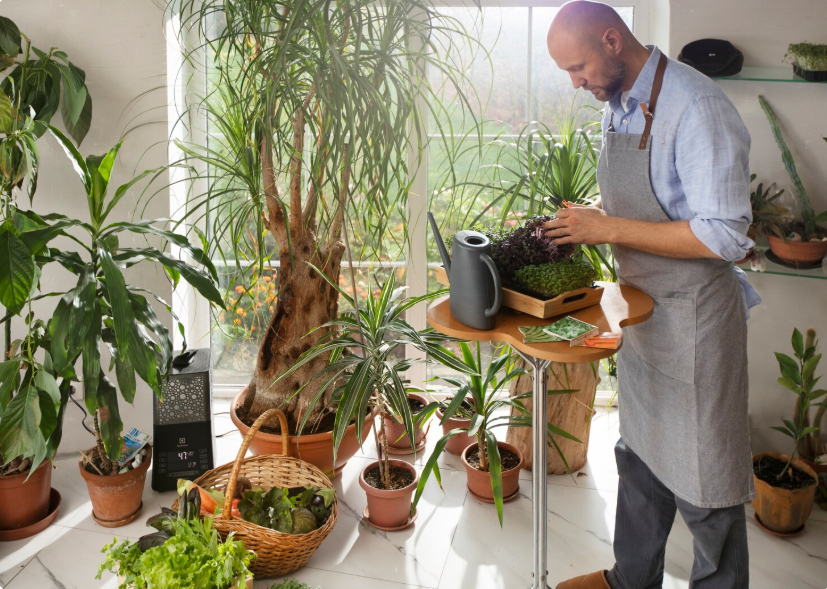
Indoor plants can make a room feel brighter, calmer, and more welcoming. They bring a little bit of nature inside, even if you live in an apartment with no backyard. The funny thing is that many plants don’t fail because people lack talent.
They struggle because of a few simple mistakes that are easy to fix. Once you understand what your plants need, caring for them becomes much less confusing and a lot more enjoyable.
Picking The Right Plants
One of the biggest mistakes beginners make is choosing a plant just because it looks nice. A large tropical plant may look amazing in a garden center, but it might not enjoy living in a small, dim hallway. Matching the plant to your home is often more important than picking the prettiest one.
Think about how much sunlight your rooms receive and how much time you can spend caring for plants. If you’re often busy, choose varieties that forgive the occasional missed watering. Picking plants that fit your lifestyle gives them a much better chance of growing well.
Everyday Plant Care
Healthy plants usually grow from simple daily habits instead of complicated routines. Before watering, check the soil with your finger. If it still feels damp, give it another day or two. Many indoor plants dislike sitting in wet soil for too long.
Dust can also build up on leaves without anyone noticing. A gentle wipe with a soft cloth helps plants absorb light more easily. Every couple of weeks, rotate the pots so each side receives sunlight. It keeps growth more even and stops plants from leaning like they’re trying to peek out the window.
Indoor LED Grow Lights
Not every home has bright windows in every room. Apartments, offices, and homes during cloudy winter months often provide less sunlight than indoor plants need. In these situations, indoor led grow lights can offer extra light to support healthy growth without requiring major changes to your living space.
These lights are especially helpful for plants placed in corners, windowless rooms, or areas where natural light is limited for much of the day. They work best alongside good watering habits, proper placement, and regular care.
Signs Plants Need Help
Plants usually give little hints before they develop bigger problems. Yellow leaves may mean something needs attention. Drooping stems can suggest the plant is thirsty, while slow growth might point to a lack of light. Dry soil that pulls away from the edges of the pot is another easy clue.
Adjust your watering routine, move the plant to a brighter spot if needed, and remove damaged leaves. Checking your plants every few days helps you notice these signs before they become harder to solve.
Enjoy The Process
No one becomes an expert plant owner overnight. Almost everyone has forgotten to water a plant or accidentally given it too much attention. Those little mistakes are part of learning, and even experienced gardeners still have the occasional surprise.
The secret is to stay patient and observe what your plants are telling you. Small improvements made over time are far more helpful than trying every gardening tip at once. With steady care, a little curiosity, and realistic expectations, your indoor garden can become healthier and greener.