
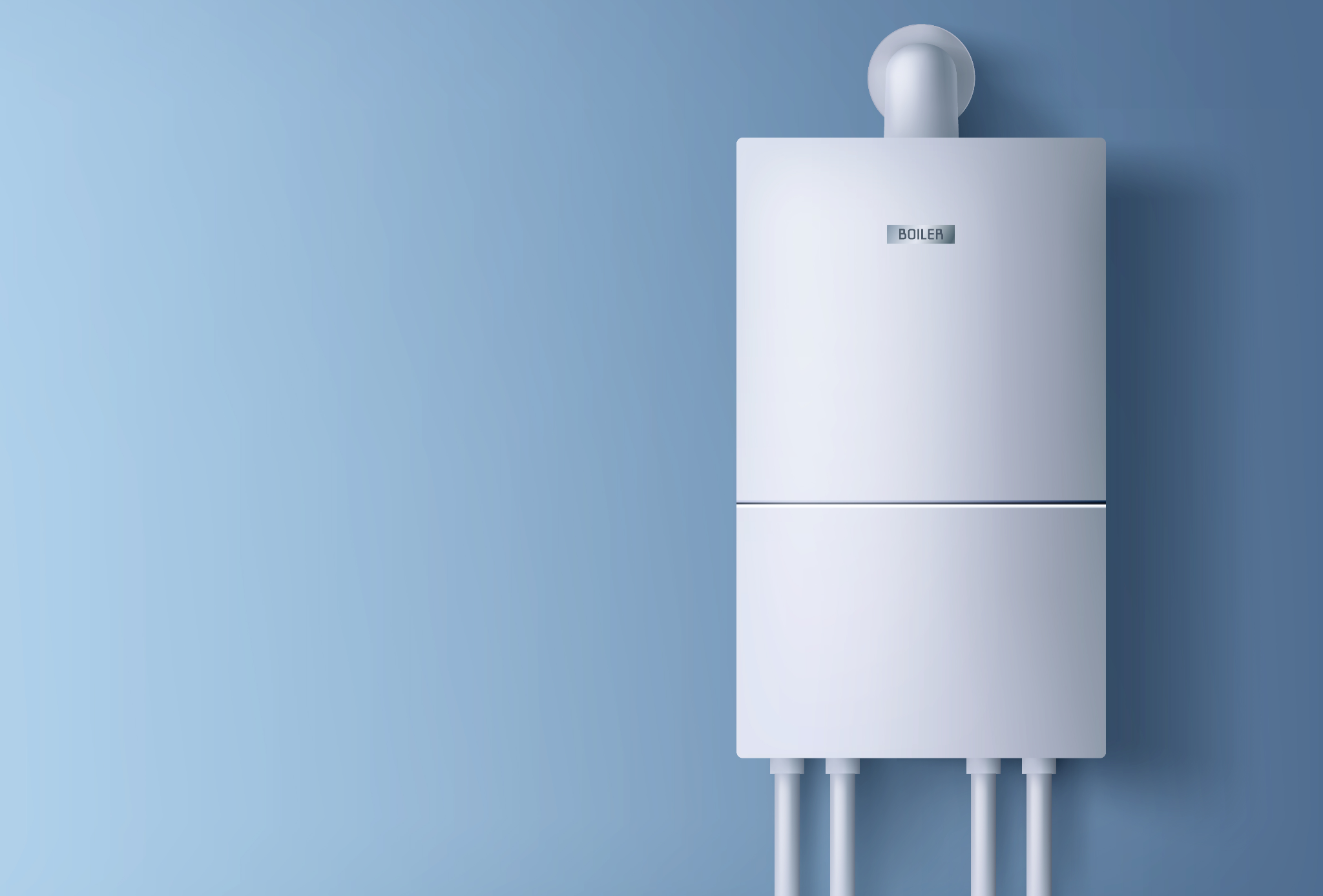
We all use water heaters in winter. They offer a simple, quick way to warm the water that we can use for bathing or cleaning. But with consistent use, these heaters can develop different kinds of issues.
While some of these issues are minor and can be addressed through simple repair, others require you to completely replace the unit.
In today’s article, we’ll talk about which options you need and when. Let’s get started.
What Is a Hot Water Heater?
A hot water heater is a home appliance. It raises the temperature of cold water and makes it hot enough for showers or washing. Depending on the type, it may use electricity, gas, or propane to heat water either inside a storage tank or on demand.
There are three main types of this heater. The storage tank type is a traditional insulated container. It can hold 30-80 gallons of pre-heated water.
The second type is tankless. These are compact units that quickly heat the water on demand (without storing it). We also have hybrid systems that pull warmth from the environment to warm the water.
When Hot Water Heater Repair Is Needed
You need hot water heater repair if you experience lukewarm water or hear strange banging noises. It means certain components of your heater are not working properly.
Lukewarm or no hot water is usually the result of a faulty heating element or a broken thermostat. Similarly, loud rumbling or popping happens when hard mineral sediment builds up at the bottom of the tank. Rusty or discolored water may indicate inner tank corrosion or a depleted anode rod.
A technician will check all these issues and repair the relevant components so the heater starts working efficiently again.
When Hot Water Heater Replacement Is Needed
However, there are certain cases where the repair is not enough, and you need hot water heater replacement. For example, if it’s consistently producing rusty water or is over 10 years old, it means repair won’t fix the issues.
Conventional units typically last 8-10 years, so failure is more likely if the unit is past 10 years old. Also, see the water pooling around the base of the tank. It usually means the inner tank has cracked and can’t be further repaired.
Reddish brown water coming only from the hot taps also indicates that the internal components are fully damaged.
Who Should Do the Repair or Replacement?
You should work only with a licensed professional plumber or a certified technician, as these professionals understand the safety risks and have years of experience solving these exact issues.
Keep in mind that gas leaks or carbon monoxide hazards during the repair can also cause severe harm. A reliable professional will preempt these issues and keep everyone safe.
Manufacturers also cancel equipment warranties if the unit is installed by an untrained person. While you can handle basic checks like turning off power switches or resetting a breaker, more complex issues should be handled by professionals.
Final Thoughts
It’s best to contact a professional first before making a decision, as they’ll clearly explain what solution you actually need.