
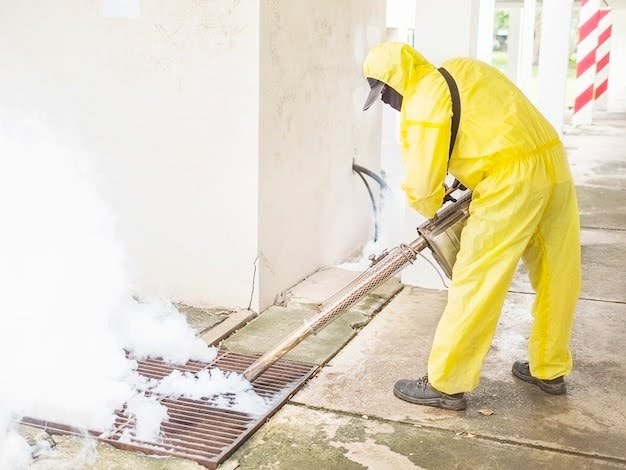
Asbestos was once widely used in construction because of its strength, heat resistance, and durability. However, disturbing asbestos-containing materials can release hazardous fibers into the air, creating serious health risks. For this reason, asbestos removal should always be handled by trained and qualified professionals who understand the required safety procedures. A professional project follows several carefully planned steps to minimize exposure and ensure the affected area is safely managed.
1. Initial Inspection and Assessment
The first step is a detailed inspection of the property. Qualified professionals examine areas where asbestos-containing materials may be present, such as insulation, roofing, flooring, walls, or pipe coverings.
If necessary, samples are collected and sent to an appropriate laboratory for testing. This assessment helps determine the type, location, and condition of asbestos before any work begins.
2. Developing a Removal Plan
Once asbestos has been identified, professionals create a detailed removal plan based on the property’s condition and the materials involved. The plan outlines the work area, safety procedures, equipment requirements, waste handling methods, and cleaning process.
Proper planning ensures that workers understand each stage of the project and helps minimize the possibility of accidental fiber release.
3. Preparing and Containing the Work Area
Before removal begins, the affected area is carefully isolated from the rest of the property. Professionals may use barriers, protective sheeting, warning signs, and controlled access points to prevent unauthorized entry.
Appropriate ventilation and containment measures are also established according to applicable regulations. This preparation helps prevent asbestos fibers from spreading into unaffected areas.
4. Using Proper Protective Equipment
During asbestos removal, trained workers use appropriate personal protective equipment, which may include specialized respirators and disposable protective clothing. Professional equipment and controlled work practices help reduce the risk of inhaling or spreading asbestos fibers.
Workers also follow established procedures for entering, working within, and leaving the controlled area. Proper protective measures also help keep asbestos fibers from being carried into clean areas or exposed to other people.
5. Carefully Removing Asbestos Materials
The removal process is performed using methods designed to minimize the release of fibers. Professionals carefully handle affected materials rather than breaking or disturbing them unnecessarily.
Depending on the material and project requirements, specialized techniques and equipment may be used. The exact procedure varies according to the type and condition of the asbestos-containing material.
6. Cleaning and Final Inspection
After the materials have been removed, the work area is thoroughly cleaned using appropriate methods and equipment. Professionals inspect surfaces and surrounding areas to ensure that visible contamination has been addressed.
Depending on local requirements, air monitoring or clearance testing may also be performed before the area is returned to normal use.
Final Thoughts
A professional asbestos project involves much more than simply removing damaged materials. Inspection, planning, containment, protective equipment, careful removal, thorough cleaning, and regulated waste disposal are all essential steps. Because asbestos can pose serious health risks when disturbed, property owners should avoid attempting removal themselves. Working with qualified professionals helps ensure that the project is carried out safely, responsibly, and in accordance with applicable regulations.