
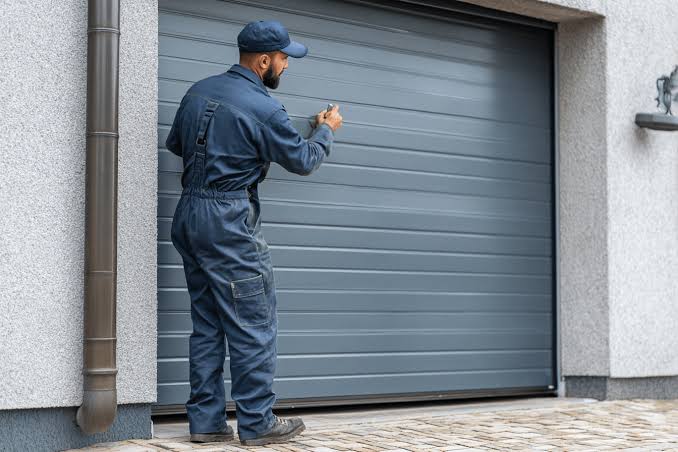
A garage door is one of the most frequently used entry points in a property, and it plays a key role in security, convenience, and protection from the elements. Over time, wear and tear can affect its performance, often showing early warning signs before a complete breakdown occurs. Recognising these signs early can help prevent costly repairs and ensure continued safety and functionality.
Unusual Noises During Operation
One of the most common signs that a garage door needs garage door repair is the presence of unusual sounds. Grinding, scraping, squeaking, or banging noises often indicate issues with springs, rollers, tracks, or the motor.
A properly functioning garage door should operate smoothly and with minimal noise. Persistent or worsening sounds usually suggest that components are worn, loose, or in need of lubrication or replacement.
Slow Or Uneven Movement
If the garage door opens or closes more slowly than usual, or moves unevenly, this may be a sign of mechanical or balance issues. The problem could be related to worn springs, misaligned tracks, or a failing motor.
Uneven movement can place additional strain on the system, increasing the risk of further damage if not addressed promptly.
The Door Does Not Open Or Close Properly
Difficulty in fully opening or closing the garage door is a clear indication that something is wrong. The issue may be electrical, mechanical, or related to the remote control system.
In some cases, the door may stop midway, reverse unexpectedly, or fail to respond altogether. These problems should be inspected quickly to avoid safety risks and further damage to the system.
Sagging Or Misaligned Door Sections
A garage door should sit evenly when closed and move smoothly along its tracks. If sections appear uneven, sagging, or misaligned, it may indicate structural wear or damage to hinges, springs, or cables.
Misalignment can affect both performance and security, making the door less reliable and potentially easier to force open.
Excessive Vibration Or Shaking
A garage door that shakes or vibrates excessively during operation is often a sign of worn rollers, loose hardware, or track issues. This can increase stress on the entire system and lead to further mechanical problems if left unresolved.
Smooth movement is essential for safe and efficient operation, so any noticeable instability should be addressed.
Delayed Response From Controls
If there is a delay between pressing the remote or wall switch and the door responding, it may indicate electrical issues or problems with the opener system.
This could be caused by worn components, signal interference, or a failing motor unit. Consistent delays are a sign that the system is no longer functioning properly.
Visible Wear And Damage
Physical signs such as frayed cables, rusted springs, dented panels, or worn rollers indicate that parts of the garage door system are deteriorating.
Even minor visible damage can affect overall performance and may lead to more serious issues if not repaired in time. Regular inspection helps identify these problems early.
Safety Sensor Issues
Modern garage doors are equipped with safety sensors designed to prevent the door from closing when an object is in the way. If the door reverses unexpectedly or fails to close properly, the sensors may be misaligned or faulty.
Properly functioning safety systems are essential for preventing accidents and ensuring safe operation.
Increased Energy Loss Or Drafts
A damaged or poorly sealed garage door can allow air leaks, leading to temperature changes inside the garage. This may result in higher energy costs and reduced comfort, especially if the garage is attached to the home.
Worn seals or misaligned doors are common causes of this issue.
Recognising these warning signs early can help prevent more serious damage and maintain the safety and efficiency of your garage door system. Regular maintenance and timely repairs ensure reliable performance and extend the lifespan of the entire mechanism.