
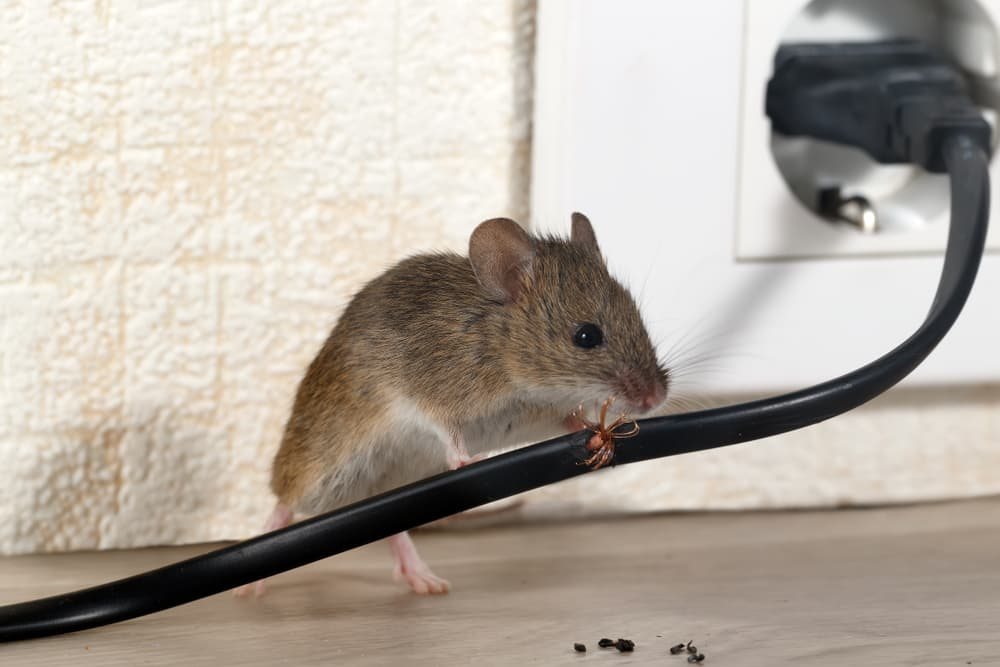
Rodents in the home create health risks, structural damage, and significant stress for the people living there. Mice and rats contaminate food, chew through wiring and insulation, and reproduce rapidly enough to turn a small problem into a large infestation within weeks. Preventing rodent entry and addressing signs of activity promptly gives homeowners the best chance of maintaining a pest-free living environment without the disruption and expense of a full-scale infestation response.
Seal Every Potential Entry Point
Mice can enter through gaps as small as a quarter inch, which means virtually any unsealed penetration in a home’s exterior provides access. Common entry points include gaps around utility pipes, cracks in foundation walls, spaces under garage doors, and deteriorated weatherstripping on exterior doors. A thorough inspection of the home’s exterior perimeter identifies these vulnerabilities, which should be sealed with steel wool combined with caulk, metal flashing, or hardware cloth — materials that rodents cannot chew through. Foam sealant alone is insufficient because rodents will gnaw through it.
Eliminate Food and Water Sources
Rodents enter homes primarily in search of food and water. Removing accessible food sources reduces the attraction of the home and makes it less likely that nearby rodents will establish indoor activity. Storing dry goods in sealed hard-sided containers rather than original packaging, keeping pet food in airtight bins, and cleaning up crumbs and spills promptly removes the resources that sustain indoor rodent populations. Leaking pipes and condensation that provide moisture should be repaired and managed.
Maintain the Property Perimeter
The area immediately surrounding the home provides shelter and harborage that supports rodent populations before they move indoors. Dense ground-cover plantings close to the foundation, wood piles stored against the home’s exterior, and debris accumulation against exterior walls all create conditions that rodents prefer. Maintaining a clear perimeter by trimming vegetation away from the foundation, storing firewood away from the home, and keeping outdoor areas clean and organized reduces the habitat available to rodents and makes it easier to spot signs of activity during routine inspections.
Respond Quickly For Effective Mice Control
Early signs of rodent activity like droppings, gnaw marks, nesting material, or scratching sounds inside walls indicate that action is needed before the population grows. Effective mice control involves addressing the source of entry, deploying traps in areas of confirmed activity, and removing attractants simultaneously. Trapping without sealing entry points produces temporary results; new rodents continue to enter and repopulate. A comprehensive approach that combines physical exclusion with targeted population reduction gives the most reliable results and prevents the cycle of recurring activity.
Schedule Professional Inspections for Persistent Problems
Some rodent problems exceed what homeowners can address independently. Infestations that persist despite exclusion and trapping efforts, signs of activity in inaccessible areas like wall voids or attic spaces, and evidence of multiple rodent species require professional assessment. Pest management professionals conduct thorough inspections, identify all entry points, and deploy treatment strategies suited to the specific scope of the problem. Professional service also provides documentation that may be required for property transactions or insurance purposes when rodent damage has occurred.
Conclusion
Keeping a home free from rodents requires prevention, prompt response to early signs, and professional support when problems exceed simple measures. A consistent approach to exclusion, sanitation, and monitoring maintains the clean and healthy living environment that every homeowner deserves.