
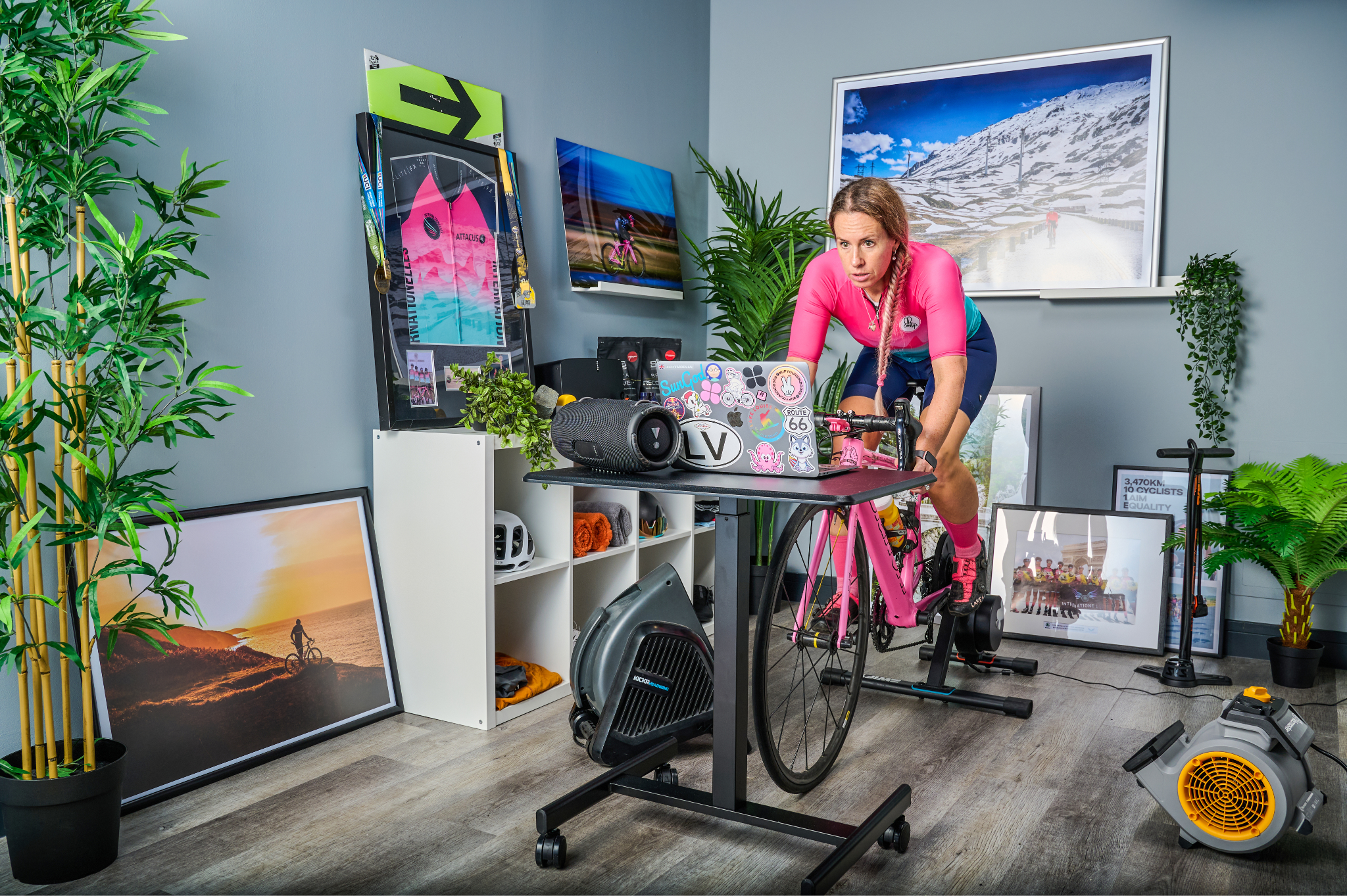
The fitness industry has seen a significant shift toward home-based training in recent years, driven by a combination of improved equipment quality, greater product accessibility, and a desire among many people for more flexible and private training environments.
High-quality home fitness products that were once available only through commercial gym suppliers are now within reach of a broad consumer market, making it easier than ever to build a genuinely effective workout space at home.
Look for Indoor Bikes
Among the most widely adopted pieces of home fitness equipment, stationary cycling offers an excellent balance of effectiveness, accessibility, and space efficiency. The indoor bikes suit a wide range of fitness levels, from beginners looking for gentle, regular movement to serious athletes training for cycling events.
Resistance systems on modern bikes range from simple magnetic mechanisms to sophisticated electronic controls that simulate realistic road or trail conditions. Built-in performance monitors track metrics provide objective feedback that helps improve effort over time.
The Practical Case for Home Fitness
Exercising at home eliminates many of the frictions that interrupt gym routines. There is no commute, no waiting for equipment, no membership fee, and no closing time. For people with demanding work schedules, family commitments, or irregular hours, the ability to exercise for 30 minutes at any time of day is genuinely valuable.
The privacy of a home environment also removes the self-consciousness that some people feel in commercial gym settings, making it easier to focus entirely on the workout itself and build a regular habit without social distraction.
How Technology Is Transforming Home Fitness
The integration of technology into home fitness equipment has changed the experience significantly. Smart bikes with built-in screens or Bluetooth connectivity allow users to follow live and on-demand classes led by professional instructors, join virtual group rides, and compete with friends across the world.
Performance data syncs automatically to fitness tracking apps, providing a detailed record of progress over weeks and months. These features make the workout experience far more compelling.
Building a Long-Term Fitness Habit
The greatest determinant of fitness outcomes is consistency over time, and having convenient, high-quality equipment at home is one of the most effective facilitators of consistent training. Research consistently shows that reducing the friction involved in starting a workout, including travel, parking, and preparation, significantly increases how often people actually exercise.
A bike positioned in a convenient location at home with a screen for entertainment or virtual instruction lowers the activation energy needed to begin a session and makes the decision to work out easier every single day.
Investing in the Right Equipment
The home fitness equipment market encompasses a wide quality range, and choosing the right product requires some research. For indoor bikes, key considerations include frame construction, stability at higher resistance and speed levels, the quality and adjustability of the seat and handlebars, and the responsiveness of the resistance system.
Reading independent reviews from verified purchasers and comparing specifications side by side helps narrow the field. Purchasing from a specialist retailer with knowledgeable staff provides expert guidance and reliable after-sales support.
Conclusion
The growing popularity of home-based fitness equipment reflects a broader shift in how people approach their health and exercise routines. Indoor bikes offer a practical, effective, and increasingly sophisticated solution for home cardiovascular training that suits a wide range of fitness goals and lifestyles.
Investing in quality equipment from a reputable supplier and approaching training with consistency is the most reliable path to meaningful, lasting improvements in health and physical fitness.